Building an eCommerce website is one thing. Building one that actually converts visitors into paying customers is an entirely different challenge. The average eCommerce conversion rate is just 2–4% — meaning for every 100 people who visit your store, 96 or more leave without buying.
The good news? A high-converting eCommerce website is not a matter of luck or budget. It comes down to deliberate decisions about design, structure, speed, trust, and user experience. In this guide, you will learn exactly how to build an eCommerce website that turns browsers into buyers — step by step.
1. Start With the Right Platform Foundation
Before you design a single page, you need to choose the right eCommerce platform. Your platform determines what you can build, how fast you can launch, and how much flexibility you have down the road.
The three most common options in 2025 are Shopify (Ease of use), WooCommerce (Flexibility), and Custom-built (Scale & Complexity).
Already exploring your platform options? Read our full breakdown in Shopify vs Custom eCommerce.
2. Design for Trust and Clarity
The single biggest reason visitors don't convert is a lack of trust. If your website looks outdated or confuses visitors, they will leave and not come back.
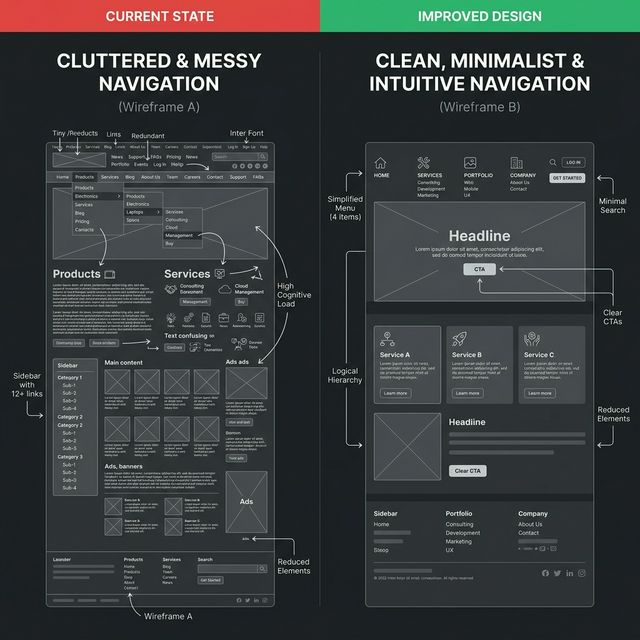
Figure 1: Clean navigation vs cluttered UX comparison.
Simple Navigation
Limit your main navigation to 5–7 items maximum. Customers should find any product within 2–3 clicks.
Uncluttered Layout
White space is not wasted space — it draws attention to what matters most: your products.
3. Optimize Your Product Pages
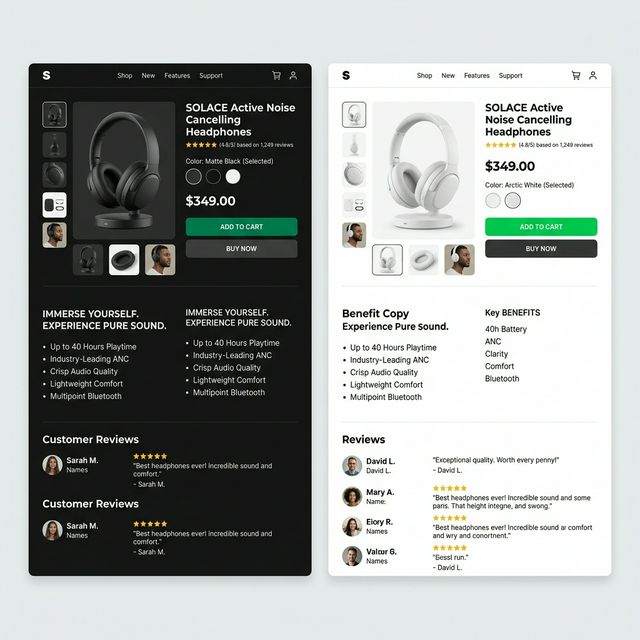
Figure 2: Optimized product page structure for 2025.
- —High-quality images from multiple angles
- —Benefit-driven product descriptions
- —Visible pricing with no hidden fees
- —Prominent Add to Cart button
4. Streamline Your Checkout
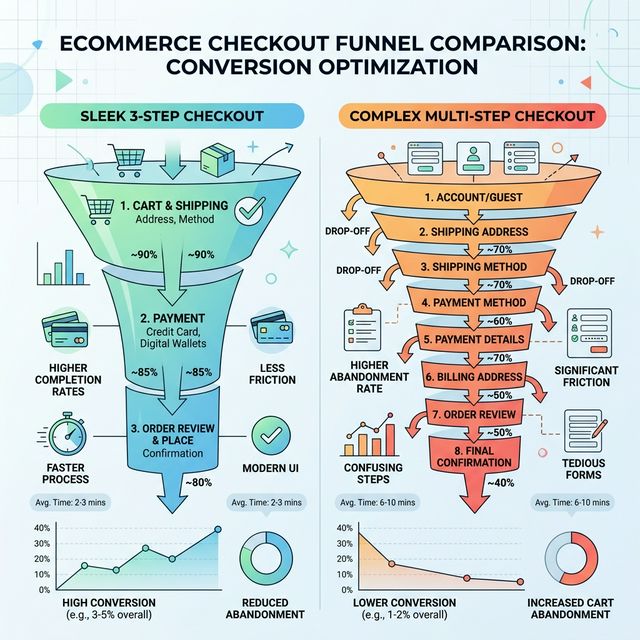
Checkout abandonment accounts for nearly 70% of lost revenue. A frictionless checkout is where the money is made.
5. Website Speed & Mobile Performance
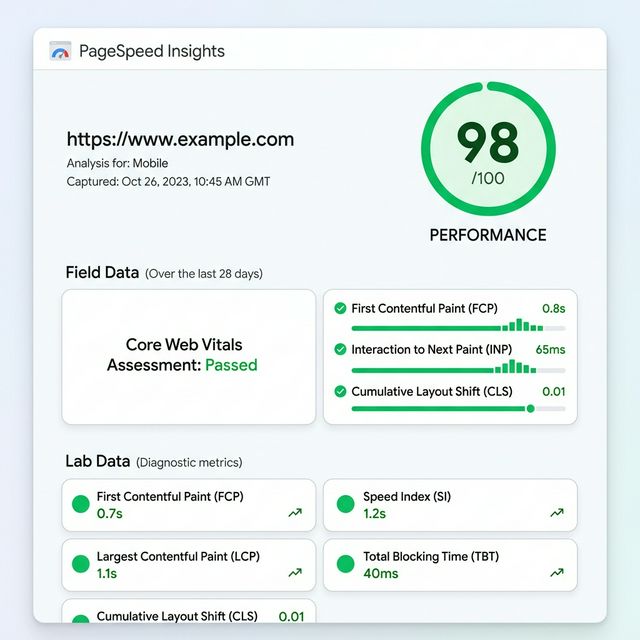
A 1-second delay in page load time can reduce conversions by 7%. In 2025, speed is a non-negotiable ranking and conversion factor. Aim for a Google PageSpeed score of **85+** on mobile.
7. Trust Signals & Social Proof

Trust is the currency of eCommerce. The most effective signals include customer reviews, SSL lock icons, secure payment logos, and a clear return policy.
eCommerce Launch Checklist
| Area | Action Item |
|---|---|
| Homepage | Value proposition clear within 5 seconds |
| Product | Benefit-led copy, reviews, clear CTA |
| Checkout | Guest checkout and multiple payments enabled |
| Speed | PageSpeed score 85+ on mobile via WebP and CDN |
Frequently Asked Questions
What is a good conversion rate?
A benchmark eCommerce conversion rate is 2–4%.
How long does it take to build?
Shopify can take 2–6 weeks; custom builds can take 3–6 months depending on complexity.